Home Modifications That Make Aging in Place Safer and Easier for Seniors
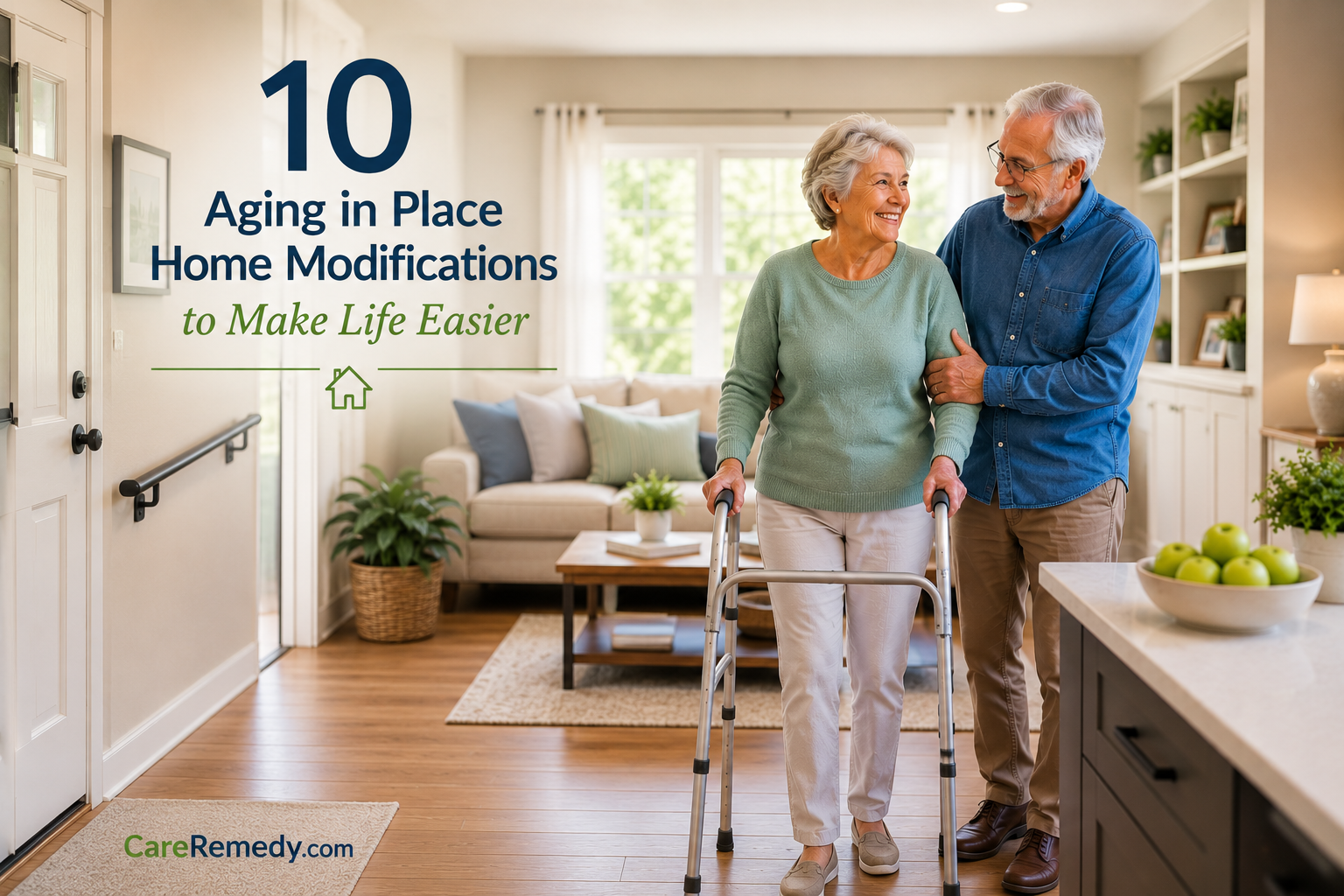
For many older adults, home is more than just a place.It’s where memories live, routines feel familiar, and independence thrives. As mobility, balance, and strength naturally change with age, however, certain areas of the home can become more difficult to navigate.
Rather than moving immediately into assisted care, many seniors are choosing to age in place remaining in the comfort of home while adapting the environment to better suit changing needs.
Fortunately, small adjustments can make a big difference. From safer bathrooms to smarter technology, here are ten practical home modifications that can help older adults maintain independence, comfort, and confidence.
1. Eliminate Fall Risks Around the House
One of the first steps toward creating a safer home is reducing hazards that may lead to falls.
Simple improvements include:
- Removing loose rugs or securing them with non-slip backing
- Organizing electrical cords away from walking paths
- Keeping hallways and living areas clutter-free
- Rearranging furniture to create open walking spaces
A cleaner, more open environment can dramatically lower the chances of slips and injuries.
2. Upgrade Lighting for Better Visibility
Poor lighting often becomes a bigger challenge with age, especially in stairways, hallways, and bathrooms.
Improving visibility can be as simple as:
- Switching to brighter bulbs
- Installing motion-sensor lighting
- Adding nightlights near bedrooms and bathrooms
- Improving natural light wherever possible
Well-lit spaces help older adults move more confidently throughout the home while reducing accident risks.
3. Make Bathrooms Safer and More Accessible
Bathrooms are one of the most common places where accidents happen, making safety upgrades especially important.
Helpful improvements may include:
- Walk-in showers or low-entry tubs
- Non-slip flooring or shower mats
- Raised toilet seats for easier sitting and standing
- Shower chairs for added support
- Easy-to-use faucets and handles
Even minor bathroom changes can significantly improve comfort and reduce safety concerns.
4. Install Grab Bars and Support Rails
Having something stable to hold onto can improve balance and confidence.
Support rails are especially useful in:
- Bathrooms near toilets and showers
- Hallways for added stability
- Staircases to improve balance while moving between floors
These additions are affordable, practical, and highly effective for preventing falls.
5. Improve Kitchen Accessibility
The kitchen should remain a place where older adults can comfortably prepare meals without unnecessary strain.
Consider modifications such as:
Pull-out shelves for easier access to stored items
Lower storage spaces to avoid excessive reaching or bending
Hands-free faucets for easier use by individuals with arthritis or reduced grip strength
Accessible appliance placement to reduce stretching or lifting
A well-organized kitchen encourages independence and makes daily routines easier.
6. Lower Shelving and Cabinets
Reaching high storage areas can become unsafe over time.
Lowering shelves or relocating frequently used items to waist-level storage minimizes the need for step stools or awkward stretching. This simple adjustment makes everyday activities safer and more manageable.
7. Replace Traditional Door Knobs
For individuals with arthritis or limited hand strength, round knobs can be frustrating to use.
Lever-style door handles are much easier to operate and require less grip strength. Since they only require a push or pull motion, they offer greater accessibility throughout the home.
8. Widen Doorways for Mobility Devices
Walkers, wheelchairs, and mobility aids often require more room than standard doorways provide.
Widening entrances improves accessibility and creates smoother movement between rooms. This adjustment helps older adults move independently without feeling restricted.
9. Add Step-Free Home Access
Steps at entrances may eventually become difficult or unsafe.
Installing ramps or step-free entryways can make entering and leaving the home much easier for individuals using walkers or wheelchairs or simply anyone experiencing mobility challenges.
Accessible entrances also make visits safer for family and guests with mobility concerns.
10. Use Smart Technology for Added Convenience
Technology is helping seniors live independently longer than ever before.
Smart home tools can simplify daily life through:
- Voice-controlled assistants
- Smart lighting systems
- Automated thermostats
- Security cameras and monitoring systems
- Emergency alert devices
These technologies provide convenience while also offering peace of mind to caregivers and family members.
Creating a Home That Supports Independence
Growing older doesn’t mean giving up independence.It means adapting to new needs in smarter ways.
By making thoughtful home modifications, older adults can continue enjoying familiar surroundings while staying safe, comfortable, and confident. Whether it’s improving lighting, redesigning bathrooms, or introducing assistive technology, even small upgrades can have a meaningful impact on quality of life.
The goal of aging in place isn’t simply staying at home.It’s creating a home that continues to support health, dignity, and independence for years to come
Share