How to Safely Navigate Stairs with a Wheelchair
Helping Wheelchair Users Safely Descend Stairs Without an Elevator
For individuals who use wheelchairs, living in an apartment without an elevator presents unique challenges, particularly when it comes to navigating stairs.
Whether heading out for a medical appointment or simply stepping out for fresh air, stairs can feel like an overwhelming obstacle. Unfortunately, architectural barriers remain a persistent issue for many people with reduced mobility. Despite progress in accessibility, there are still countless public and private spaces that can only be accessed by stairs, creating daily hurdles for wheelchair users.
This lack of adaptation not only restricts independence but can also impact quality of life, making simple activities unnecessarily difficult. That’s why it’s so important to understand safe and practical methods for helping wheelchair users manage stairs when no elevator is available.
In this blog, we’ll explore practical tips for safely helping a wheelchair user navigate stairs without an elevator, including step-by-step instructions, key safety considerations, and alternative solutions for long-term accessibility.
Step-by-Step Guide to Safely Descend Stairs in a Wheelchair
Proper technique and preparation are essential when assisting a wheelchair user down stairs. Here’s a detailed guide to ensure the process is safe and controlled:
1. Always Use Two-Person Assistance
Navigating stairs in a wheelchair is not a one-person job. Two people are required:
- The Person Behind: Stands behind the wheelchair to control the tilt and provide the primary push.
- The Person in Front: Faces the stairs and provides stability and guidance to the chair during the descent.
Special Technique: Lifting the Wheelchair Up Multiple Steps
Ascending several stairs at once can be especially tricky and is never a solo endeavor. If a wheelchair user needs to move up multiple steps—such as a short flight at a building entrance—the process requires the coordinated effort of at least two helpers.
- Coordinate Roles: One person should stand at the back of the wheelchair, while the other positions themselves at the front. If possible, enlist a third helper for additional stability.
- Lift by the Frame: Both helpers must grasp sturdy points on the wheelchair frame (never the footrests, wheels, or detachable parts) to ensure a secure lift.
- Communicate Clearly: Before lifting, count down and agree on when to move. Lift together in a smooth, straight motion, keeping the chair level and close to your bodies for better control.
- Step Carefully: Move slowly, lifting the chair up one or two steps at a time. Avoid rushing, and pause on each step to check stability and adjust your grip as needed.
Important Caution: This method carries real risks—for both the person in the wheelchair and the helpers—due to potential loss of balance or strain. Whenever possible, use portable ramps or stair lifts to greatly reduce hazards and provide a safer, more accessible alternative.
2. Tilt the Chair Back
- The person behind the chair should use the tilt bar at the back to lift the front wheels slightly off the ground.
- Maintaining this tilt throughout the descent is crucial to keep the wheelchair balanced and prevent the front wheels from catching on the steps.
3. Face Forward
- Always position the wheelchair facing forward toward the edge of each step.
- Avoid turning the wheelchair sideways, as this increases the risk of tipping.
4. Move Slowly and Maintain Control
- Descend the stairs one step at a time using slow, deliberate movements.
- The person behind should carefully lower the chair, while the person in front stabilizes and guides its motion.
- Both helpers should communicate clearly to ensure they are synchronized.
5. Maintain Proper Positioning
- The Person Behind should stand with a wide stance for stability and grip the handles firmly.
- The Person in Front should hold the chair frame near the front, avoiding movable parts like the footrests.
Key Safety Tips for Stair Navigation
While following the above steps, keep these additional tips in mind for added safety:
- Check for Handrails: Handrails provide an additional point of stability, especially for the person assisting behind.
- Assess the Situation: Before attempting the descent, evaluate the staircase layout and ensure both helpers are comfortable with the process.
- Communicate Clearly: Establish simple verbal cues, like "step" or "stop," to coordinate movements and avoid missteps.
Prioritize Safety for Everyone Involved
Before you begin, remember that the safety of both the wheelchair user and the helpers is paramount. Never put anyone in a position where they may be injured. Take a moment to check for any loose clothing, untied shoelaces, or obstacles on the stairs that could cause a mishap.
- Use Safety Belts When Possible: If the wheelchair is equipped with a safety belt, ensure it’s fastened securely. This helps prevent the user from shifting unexpectedly during the climb or descent.
- Go One Step at a Time: No matter the type of manual wheelchair or staircase, always move slowly and steadily—taking one step at a time. Rushing increases the risk of accidents.
- Mind the Wheelchair: Be cautious not only for the person but for the wheelchair itself. Avoid bumping the frame or wheels against stair edges, which could cause damage or sudden jolts.
- Consider Alternatives: Stair navigation with a manual wheelchair can be hazardous for everyone involved. Whenever possible, use ramps, stair lifts, or elevators instead.
Above all, if at any point it feels unsafe or uncertain, seek an alternative route or ask for additional assistance. Safety should always come first.
Alternative Solutions for Accessibility
While navigating stairs manually may be necessary in the short term, long-term solutions can significantly improve accessibility for wheelchair users. Consider the following options:
- Stair Lifts: Installing a stair lift provides a safer, more independent way to navigate stairs in a wheelchair. Stair lifts are typically mounted alongside the staircase and feature a platform designed either for a wheelchair or a seat, allowing users to ascend and descend with minimal effort and maximum safety.
- Portable Ramps:
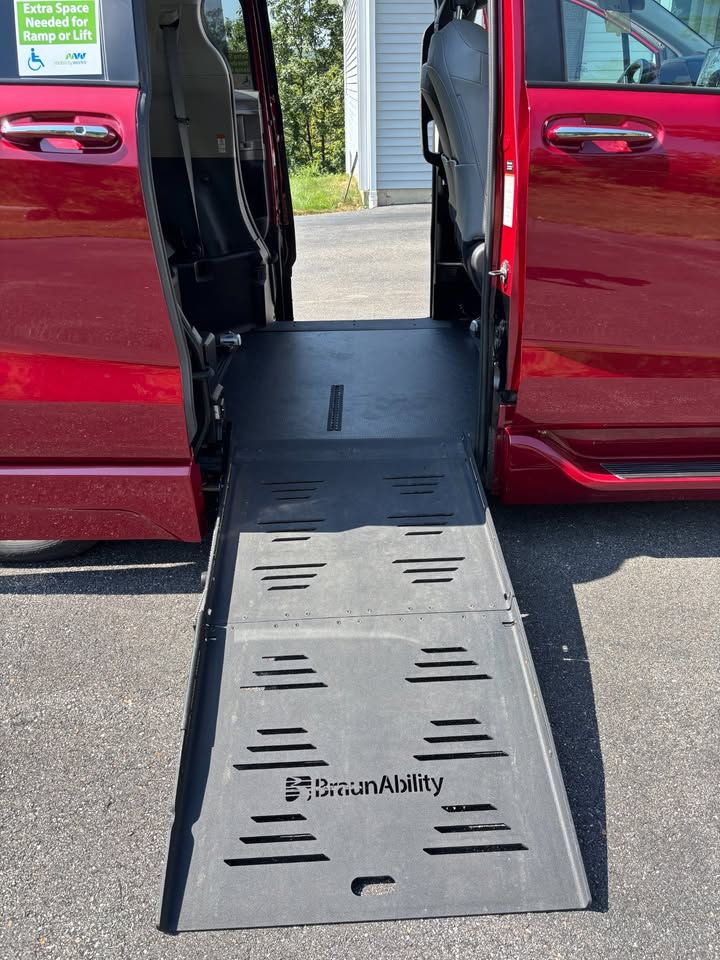
For temporary or occasional use, portable ramps can create a smoother transition over stairs. Folding ramps are especially versatile, as they can be adapted to different types of stairs and are easy to transport and set up. Once securely in place, they form a gentle slope that enables wheelchair users to bypass steps safely and comfortably.
- Relocation Options: If possible, consider moving to a ground-floor unit or an apartment building with elevators to eliminate stair-related challenges altogether.
Exploring these alternatives can make daily life significantly more accessible and independent for wheelchair users, whether you’re looking for a permanent upgrade or a flexible, portable solution.r.
When to Call for Professional Assistance
If navigating stairs feels unsafe or too difficult, professional help can make all the difference. At Care Remedy, we specialize in assisting wheelchair users, especially those living in apartments without elevators.
Our trained team provides hands-on support to help clients safely navigate stairs and access our wheelchair-accessible transportation. From medical appointments to social outings, we ensure that our clients feel secure every step of the way.
Why Safety Matters
Helping wheelchair users navigate stairs is more than just a logistical challenge—it’s a matter of safety and dignity. A misstep or improper technique can lead to serious injuries, not only for the wheelchair user but also for the helpers.
By following proper procedures and considering alternative solutions, families and caregivers can ensure their loved ones stay safe and maintain access to critical services and appointments.
Care Remedy Is Here to Help
At Care Remedy, we are dedicated to breaking down barriers for wheelchair users. Our team provides specialized wheelchair transportation and hands-on support for those living in challenging environments. If you or your loved one needs assistance, we’re just a call away.
Contact us today to learn more about our services and how we can help make life more accessible, one step at a time.
Navigating stairs in a wheelchair doesn’t have to be daunting.
With proper techniques, clear communication, and a focus on safety, you can make the process manageable and stress-free. And for those times when you need a helping hand, Care Remedy is always here to provide the support you deserve.
Share