Long-Distance Caregiving
Long-Distance Caregiving, Explained
Long-distance caregiving is caring for an aging parent or relative who does not live near you. Researchers generally define it as being responsible for someone who lives at least an hour away. On average, the gap is far wider than that: about 450 miles. It is common in Massachusetts, where adult children tend to leave for careers in other cities while their parents stay in the family home in Newton, Lexington, or Reading.
It matters because it is not a smaller version of nearby caregiving. It is a different job. A nearby child does the work directly. A distant child has to arrange for the work to be done, verify it happened, and step in from afar when it doesn't. The tasks are the same. The way you carry them out is completely different.
Why it costs more
When you live close to a parent, you provide a lot of unpaid help without noticing it: a pharmacy pickup, a ride to the cardiologist, a grocery run, a check-in after a bad night. That help is real, but it never shows up on a bill because you are the one doing it. Move a few hundred miles away and that same help still has to happen. Now it has to be hired. Distance does not add work. It converts work you were doing for free into services someone has to pay for, plus travel on top.
What distance really takes away
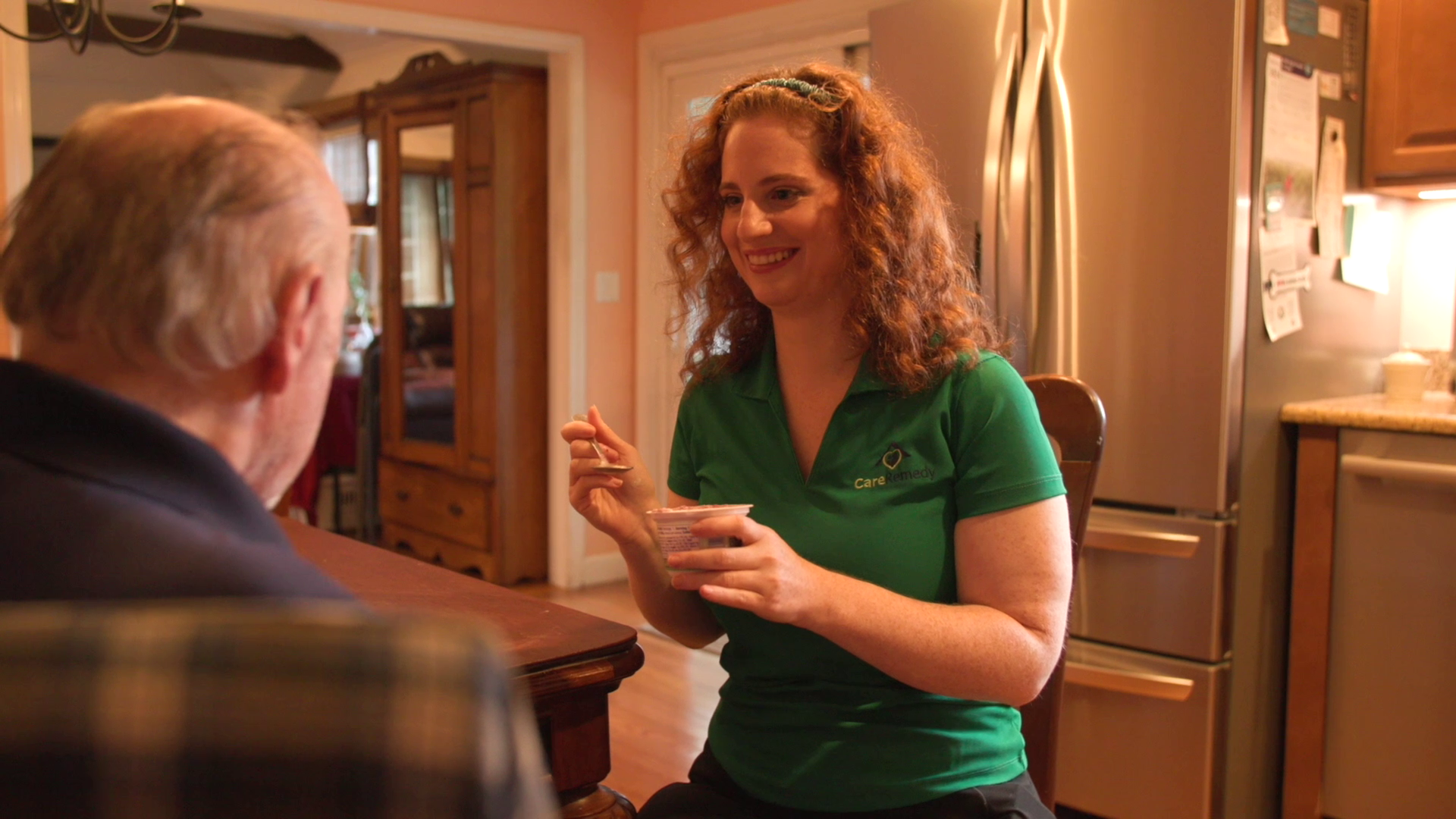
The bigger issue is not cost. It is information. When you live nearby, you notice things without trying: a parent eating less, moving more slowly, repeating themselves, letting mail pile up. Those early signals are how problems get caught before they become emergencies. Distance removes them. Over the phone, most people say they are fine, and you have no easy way to know whether that is true. This is why a steady, familiar caregiver on the ground is worth more than the hours alone suggest. Their real value is that someone reliable is close enough to see what you cannot.
What helps
The practical fix is to replace the visibility you lost. That usually means one consistent caregiver rather than a rotating group, so someone actually knows your parent's normal and notices when it shifts, plus a simple agreement on how updates reach you and one trusted local person who can be there quickly. Setting this up while things are calm costs far less, in money and stress, than assembling it during a crisis.
Share