Aging In Place Is Becoming A Wealth Preservation Strategy — Not Just A Comfort Preference
Aging In Place Is Becoming A Wealth Preservation Strategy — Not Just A Comfort Preference
A semi-private nursing home room now costs a median of $114,975 a year in the United States. A private room runs $129,575. Assisted living, often assumed to be the more modest option, climbed 5% in a single year to $74,400 annually. In Massachusetts, those numbers are considerably worse: a semi-private nursing home room runs roughly $173,375 a year, and assisted living — up 27% in a single year, among the steepest increases of any state — now costs about $108,696 annually. For a family in Boston, Lexington, or anywhere else in the Commonwealth managing a health event that lasts three, five, or seven years, those aren't comfort decisions. They're balance sheet decisions.
Most families still frame the choice between institutional care and in-home care as a question of dignity, familiarity, or a parent's stated wishes. All of that is real. But increasingly, the families with the most at stake financially — including a growing number of Greater Boston families with significant assets tied up in real estate, closely held businesses, or multigenerational trusts — are treating "aging in place" as something closer to a hedge, a way to control a variable that used to be treated as fixed.
That shift is quiet, largely happening in conversations between clients and their wealth advisors rather than in public discourse. It deserves more attention than it's getting, especially in a state where the cost gap between staying home and moving into a facility is wider than almost anywhere else in the country.
1. The Real Number Isn't the Sticker Price — It's the Trajectory
A single year of institutional care is a manageable, if unwelcome, expense for most affluent families. The problem is that long-term care is rarely a single year. Compounded over several years, at a cost basis rising faster than general inflation, a facility stay can erode a meaningful percentage of an estate before any of it reaches the next generation.
Advisors who model this properly aren't asking "can my client afford one year of assisted living." They're asking what a five-to-seven-year care trajectory does to a portfolio that was built around a very different set of assumptions.
2. Institutional Care Bills You for the Building, Not the Need
An assisted living community or nursing home charges a largely fixed rate regardless of how much actual, individualized attention a resident needs on a given day. The family is paying for square footage, staff ratios, and amenities — a bundled cost structure that doesn't flex up or down with the person's real condition. In a high-cost market like Greater Boston, that fixed structure is especially punishing: a family in Lexington paying Massachusetts assisted-living rates is paying roughly 50% more than the national median for the same bundled model.
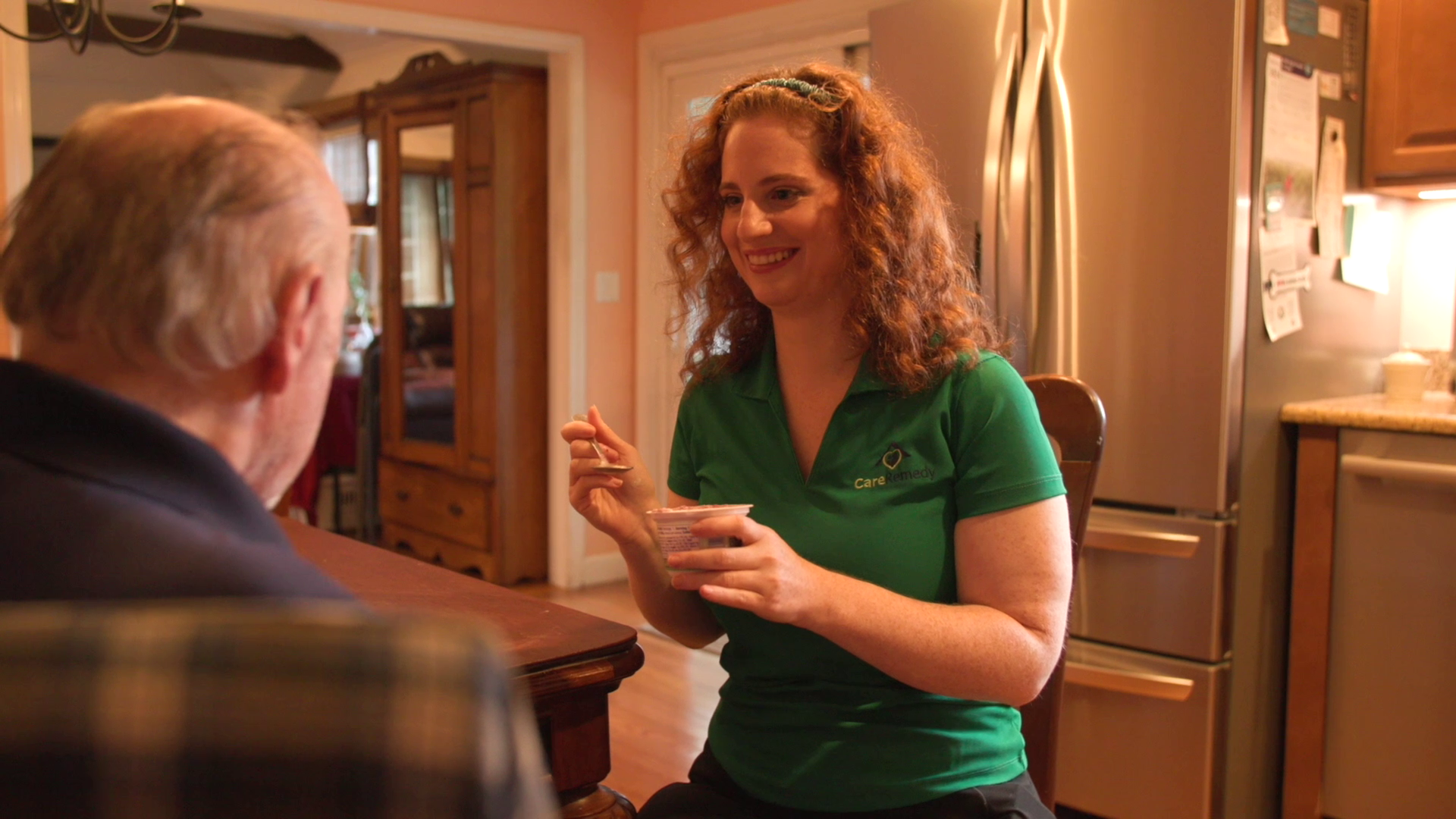
In-home private care works differently. It scales with need: a few hours a day at first, more as a condition progresses, less again after a recovery. For a family thinking about care as a controllable expense rather than a fixed liability, that flexibility is the entire point. It's the difference between a variable cost you can manage and a fixed one you can't — and in a state where the fixed option is already among the most expensive in the country, the gap matters more than it does elsewhere.
3. The Safety Net Assumption Is Getting Riskier
Many families have quietly assumed that if private funds run out, Medicaid eventually becomes the backstop. Recent federal legislation, including an estimated $1 trillion in Medicaid reductions over the next decade, is making that assumption considerably less reliable. Spending down an estate to qualify for a shrinking public program is a materially worse plan today than it was five years ago.
That change alone is pushing more families toward private-pay strategies that preserve assets rather than deplete them — and aging in place, paired with scalable private care, is the version of that strategy with the lowest fixed cost.
4. Estate Plans Are Starting to Treat Care as a Line Item
With federal estate and gift tax exemptions rising to $15 million per individual — $30 million per married couple — starting in 2026, many high-net-worth families have more room than ever to structure around long-term care risk specifically, through vehicles like dynasty trusts and family limited partnerships designed in part to shield assets from care-related costs.
What's changing is where "care" sits in that conversation. It used to be an afterthought, addressed if it came up. Advisors are increasingly building a real care budget into the plan itself — and the version of that budget that preserves the most capital is one built around staying home, supported by private care that flexes with actual need, rather than a pre-committed institutional stay.
5. What This Means for the Next Decade of Family Wealth Planning
None of this argues against institutional care when it's genuinely the right setting — for some conditions and some families, it is. The argument is narrower: the decision is no longer purely medical or emotional. It's financial, and it belongs in the same conversation as the trust structure, the tax exemption, and the rest of the estate plan.
The families who come out of a multi-year care event with the most intact estate tend to be the ones who treated the cost of care as plannable years in advance — not the ones who backed into an institutional bill after a crisis left them with no other option.
Share