
Essential Services Required by Seniors to Thrive at Home

Essential Services Required by Seniors to Thrive at Home

Comprehensive Home Care Solutions for Older Adults: Ensuring Comfort, Health, and Independence

As our loved ones age, the desire to remain in the comfort of their own homes becomes more significant. Home is where they feel safe, secure, and connected to cherished memories. However, aging can bring challenges that make everyday tasks more difficult. Fortunately, a variety of home care services can provide the support needed to help older adults maintain their independence while ensuring their well-being.


Personal Care Services:

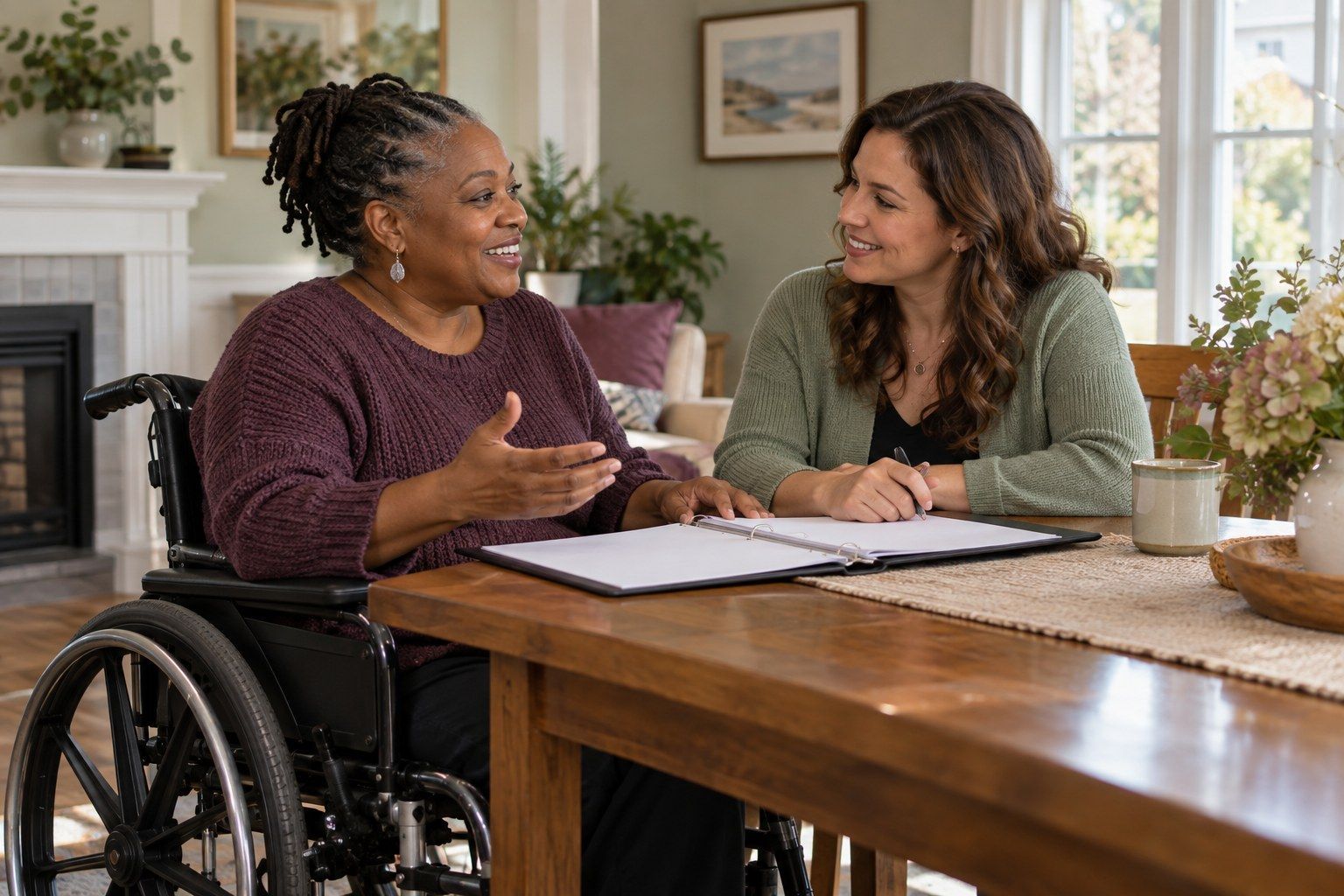
One of the essential aspects of aging in place is maintaining personal hygiene and daily routines. Personal care services offer assistance with activities of daily living (ADLs) such as bathing, dressing, grooming, using the toilet, eating, and moving around. Whether provided by a relative, friend, or trained aide, these services ensure that older adults can carry out their daily activities with dignity and comfort. Personalized care plans are developed to address specific needs, promoting health and quality of life.


Household Chores:

Keeping a clean and organized home can become increasingly challenging with age. Household chores such as housecleaning, yard work, grocery shopping, and laundry are often tasks that require assistance. Services are available that can handle these responsibilities, allowing older adults to focus on enjoying their time at home. Some services even offer online or phone ordering with home delivery, as well as laundry services that pick up and deliver clothes, adding convenience and reducing the burden of maintaining a household.


Meal Services:

Proper nutrition is vital to maintaining health, but meal preparation can be time-consuming and physically demanding. Meal services deliver healthy, nutritious meals directly to an older adult’s home, often on a daily or weekly basis. These services can accommodate special diets, ensuring that nutritional needs are met without the hassle of cooking. Although delivery staff typically do not assist with meal preparation or feeding, the convenience of having meals ready to eat can be a tremendous relief for both the individual and their caregivers.


Money Management:

Managing finances can be overwhelming, especially when dealing with bills, health insurance forms, and other financial matters. Trusted relatives, financial counselors, or trained volunteers can provide essential assistance in managing these responsibilities. Services may include help with bill payments, budgeting, and financial planning. For those requiring more comprehensive support, legal arrangements such as power of attorney can be established to allow a trusted individual to handle financial matters on their behalf, ensuring peace of mind.


Health Care Services:

For older adults with medical needs, in-home health care services are a critical component of aging in place. These services may include administering medications, caring for wounds, assisting with medical equipment, and providing physical therapy. They are particularly beneficial for managing chronic conditions or supporting recovery after hospitalization. By receiving these services at home, older adults can avoid unnecessary trips to medical facilities, reducing stress and promoting faster recovery.


Transportation Services:

Mobility is a key factor in maintaining independence, but transportation can be a challenge for older adults. Whether it's getting to medical appointments, grocery stores, or social events, transportation services offer a range of solutions. These services include public transit with discounts, ride-sharing options, and volunteer drivers, ensuring that older adults have reliable and safe ways to travel. Having access to transportation also helps them stay connected with their community, which is vital for mental and emotional well-being.


Safety Services:

Safety is a significant concern for seniors living alone. Services such as emergency medical alert systems, fall monitors, and GPS tracking devices can greatly reduce the risk of harm. These technologies alert emergency personnel if a senior goes outside a specified area or needs urgent medical assistance. However, these devices must be set up correctly and worn consistently to be effective, and they should complement regular check-ins by family, friends, and caregivers.


Conclusion


Providing comprehensive care at home allows older adults to maintain their independence while receiving the support they need. By combining personal care, household assistance, meal services, money management, health care, and transportation, we can create a nurturing environment that promotes health, happiness, and longevity. At Care Remedy, we are dedicated to offering the highest quality home care solutions, tailored to meet the unique needs of every individual.


Share
Care Remedy staff
By Care Remedy Inc April 10, 2026
When Is It Time to Get Help at Home for an Aging Parent?
A person sleeping peacefully in bed with a person in the background, titled
By Care Remedy Inc April 5, 2026
Caring for a loved one is one of the most meaningful roles a person can take on. It is also one of the most exhausting. Late-night check-ins, medication schedules, worry, and the emotional weight of responsibility can make it difficult to unwind, fall asleep, or stay asleep for the 7–8 hours your body needs each night. Improving your sleep doesn't require a complete life overhaul. Small, consistent changes can make a meaningful difference. Here are a few practical tips to strengthen your sleep hygiene — starting with your morning routine. During Your Day: Build Better Habits If you spend your nights tossing and turning, try building these habits into your daytime routine: Start your morning with at least 30 minutes of natural sunlight to improve alertness and support healthy dopamine levels throughout the day. Avoid nicotine and caffeine, which stimulate the nervous system and interfere with restful sleep. Check with your doctor to understand how any current medications may affect your sleep quality. Keep naps short and avoid napping within six hours of your bedtime. Exercise regularly, but finish physical activity at least two to three hours before bed so your mind and body can wind down. Winding Down for Bed: Create a Calming Routine Taking time to decompress before bed makes falling asleep — and staying asleep — easier: Avoid heavy meals and large amounts of liquids close to bedtime to reduce heartburn and nighttime bathroom trips. Limit alcohol; it disrupts deep, restorative sleep even when it initially helps you fall asleep. Dim the lights in the evening to signal to your body that it's time to rest. Choose relaxing activities such as reading, journaling, or listening to calming music. A warm bath or shower before bed can help relax tense muscles and ease the transition to sleep. Save emotionally difficult or stressful conversations for daytime whenever possible. Keep your bedroom cool, dark, and free of unnecessary electronics. If your caregiving schedule requires you to sleep during the day, try to maintain a consistent sleep schedule on your days off. Blackout curtains, a sleep mask, earplugs, or white noise can all help minimize disruptions. Safety and Security at Night Sleep is harder to come by when you're worried about your loved one's safety. This is especially true for families supporting seniors at risk of falls or individuals with dementia who may need overnight supervision. Place an audio or video monitor in your loved one's bedroom to alert you to falls, wandering, or distress. Provide your loved one with a medical alert button, pendant, or wristband so they can signal for help if needed. Implement fall-prevention measures throughout the home — particularly in hallways and bathrooms. Work with your loved one's care team to review evening routines and identify behavioral or safety patterns that may require additional support. Respite Care: Time to Rest Is Not Optional For caregivers supporting seniors or adults with disabilities, the demands of caregiving are constant. Respite care exists precisely for this reason — to give you structured, reliable time away to recharge. Care Remedy's respite services provide temporary relief for family caregivers across Massachusetts. Whether you need coverage for a few hours, an overnight, or an extended period, our trained direct support professionals and home health staff step in so you can step back — without guilt and without worry.  Respite care through Care Remedy may be available under DDS and MassAbility funding frameworks depending on your loved one's eligibility. Our team can help you understand your options and coordinate services that fit your family's needs. Benefits of scheduled respite care include: Improved sleep quality and duration when you know professional support is in place. Reduced caregiver burnout and anxiety, which directly affects your capacity to provide care. Maintained consistency and safety for your loved one, supported by trained staff familiar with their individual care plan. Flexibility to attend appointments, work, or simply rest — without compromising your loved one's care. Rest Easier with Support from Care Remedy Quality sleep is essential for both you and the person you care for. When you are well-rested, you are better equipped to provide compassionate support with patience, focus, and energy. Prioritizing your own rest is not selfish — it is one of the most responsible things you can do as a caregiver. Care Remedy offers professional, person-centered care to seniors and adults with disabilities throughout Massachusetts. Our services are designed to complement and support the work that families do every day. Whether you need evening support, overnight assistance, or structured respite care, Care Remedy is here to step in — so you can step back and recharge with confidence. Ready to Learn More? Contact Care Remedy to speak with our team about respite and support services available in your area. We'll help you find a plan that works for your family.