
How Artificial intelligence (AI) will affect Home Health care.

How Artificial intelligence (AI) will affect Home Health care.

Artificial intelligence (AI) has the potential to greatly impact the field of home health care.  
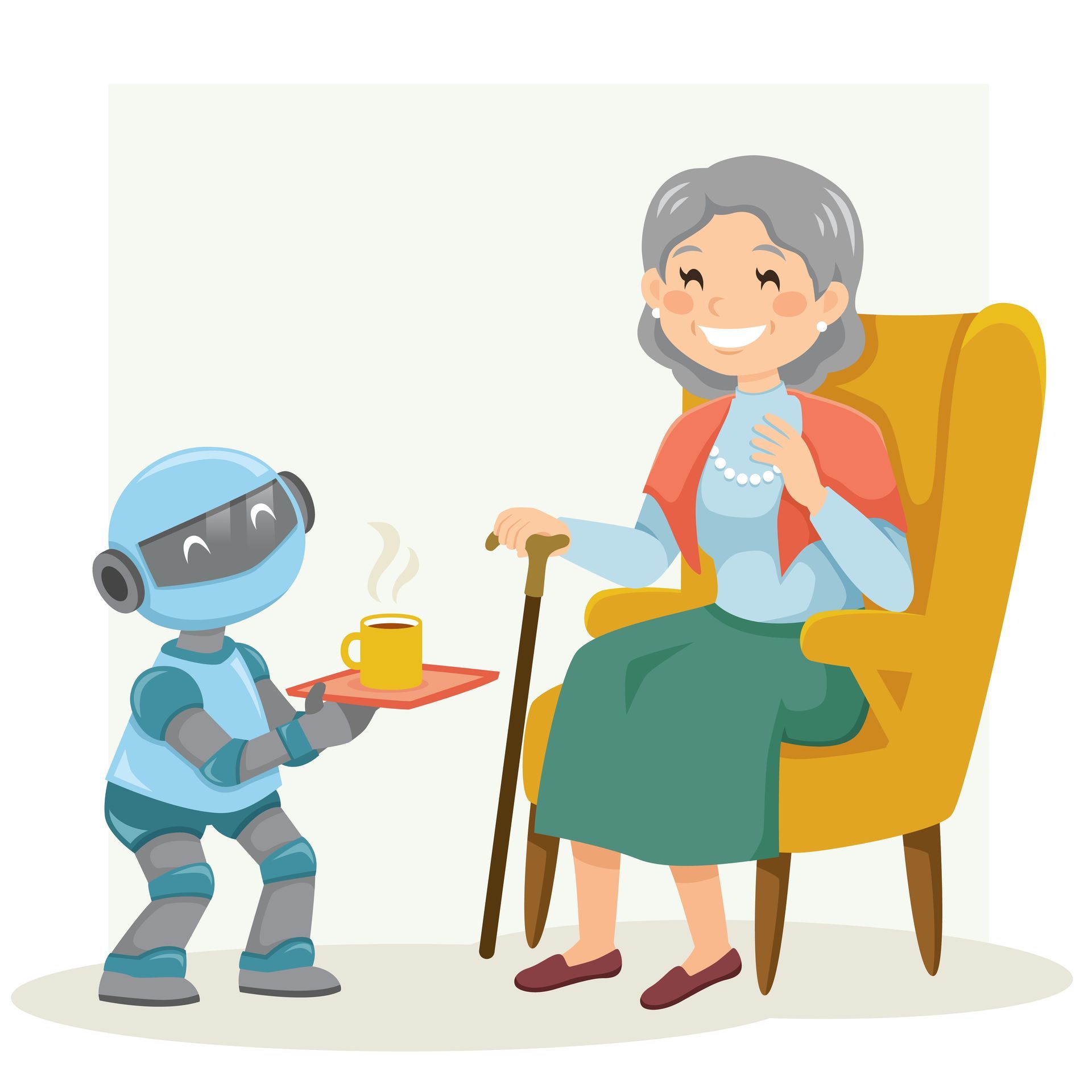
A robot is serving a cup of coffee to an elderly woman.

Here are a few ways that AI may affect this industry:


  1. Automating tasks: AI-enabled systems and robots can help automate various tasks such as monitoring patient vital signs, reminding patients to take their medication, and even helping patients with mobility and physical therapy exercises.
  2. Improving care coordination: AI-powered systems can assist with care coordination, by gathering and analyzing data from various sources, such as electronic health records, wearable devices and personal devices, to provide a more comprehensive view of a patient's health status. This can help care providers to make more informed decisions and provide more targeted care.
  3. Enhancing patient engagement: AI-powered chatbots and virtual assistants can help with patient engagement and education, by providing personalized information, answering questions, and even providing emotional support.
  4. Predictive analytics: AI-powered systems can analyze large amounts of data, to identify patterns and predict future health outcomes. This can help care providers to identify and address potential health problems before they occur, improving the overall quality of care.
  5. Cost-effective: AI-powered systems can help to reduce costs by automating tasks, reducing the need for human labor, and by allowing for more targeted and efficient care.


However, it is important to note that technology is still in the early stages and a more widespread adoption of AI in home healthcare will be dependent on further advancements in technology, as well as on.
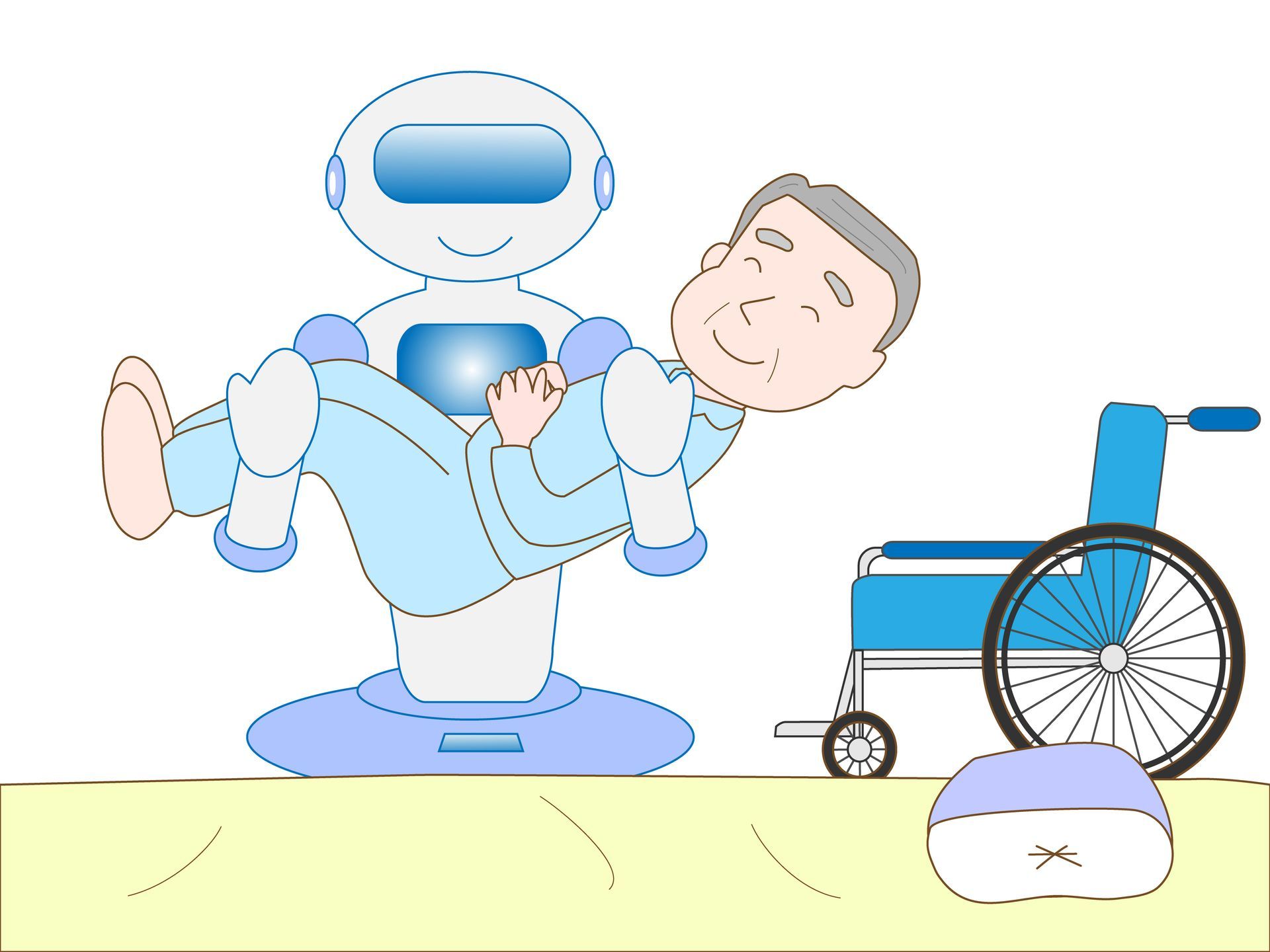

A robot is carrying a man in a wheelchair

There are some concerns that must be addressed for the implementation of AI in non-medical home health care, such as

  • Data privacy and security,
  • Regulatory compliance, and the potential for unintended consequences.
  • It's also important to note that AI is not a replacement for human interaction, it's meant to augment and assist human care. AI-powered systems need to be designed and implemented in a way that complements the skills and expertise of human caregivers, rather than replacing them.
  • Furthermore, some may have concerns about how AI will affect employment opportunities within the home healthcare industry.


Another important aspect to consider is that while AI has the potential to improve the efficiency and effectiveness of care, it also raises ethical concerns. For example, decisions made by AI-powered systems may be based on algorithms that are not transparent or explainable, which could lead to bias and discrimination.

Additionally, there may be concerns about accountability, particularly in cases where errors or negative outcomes occur as a result of AI-powered systems.


To fully realize the potential of AI in non-medical home health care, it's important for stakeholders to come together and collaborate in the development and implementation of these systems. This includes engaging patients and caregivers, as well as healthcare providers, policymakers, and technology experts.


One of the concerns about the implementation of AI in non-medical home health care and in other industries is that it could lead to job displacement. As AI-powered systems become more advanced, they may be able to automate tasks that were previously done by humans, potentially leading to a reduction in the need for human labor.


This is a concern not just for home healthcare, but for many other industries as well, as AI and automation are increasingly being used to improve efficiency and reduce costs in a wide range of fields. However, it's important to note that while AI has the potential to automate certain tasks, it's not necessarily going to replace jobs entirely. It's more likely that it will change the nature of many jobs and create new ones, rather than completely eliminate them.


It's also important to consider that while AI has the potential to automate certain tasks, it may also create new opportunities for human caregivers by allowing them to focus on more complex tasks that require human interaction and emotional intelligence. AI can also free up time for caregivers, allowing them to provide more targeted and personalized care for patients.


Additionally, AI-powered systems will require human oversight and maintenance, which will create new job opportunities in fields such as data science, AI development, and system design and integration.


While the implementation of AI in non-medical home health care may lead to some job displacement, it's important to consider the potential benefits and opportunities it may bring. It's important to plan for job transition and retraining, and for society to adapt to the changes. It is crucial for organizations to consider the ethical implications of AI and implement it responsibly to ensure that it does not lead to greater inequality.


In conclusion, AI has the potential to significantly improve the quality and efficiency of non-medical home health care, but it's important that it be implemented in a way that is ethical, responsible, and sustainable with proper planning and execution.

Share
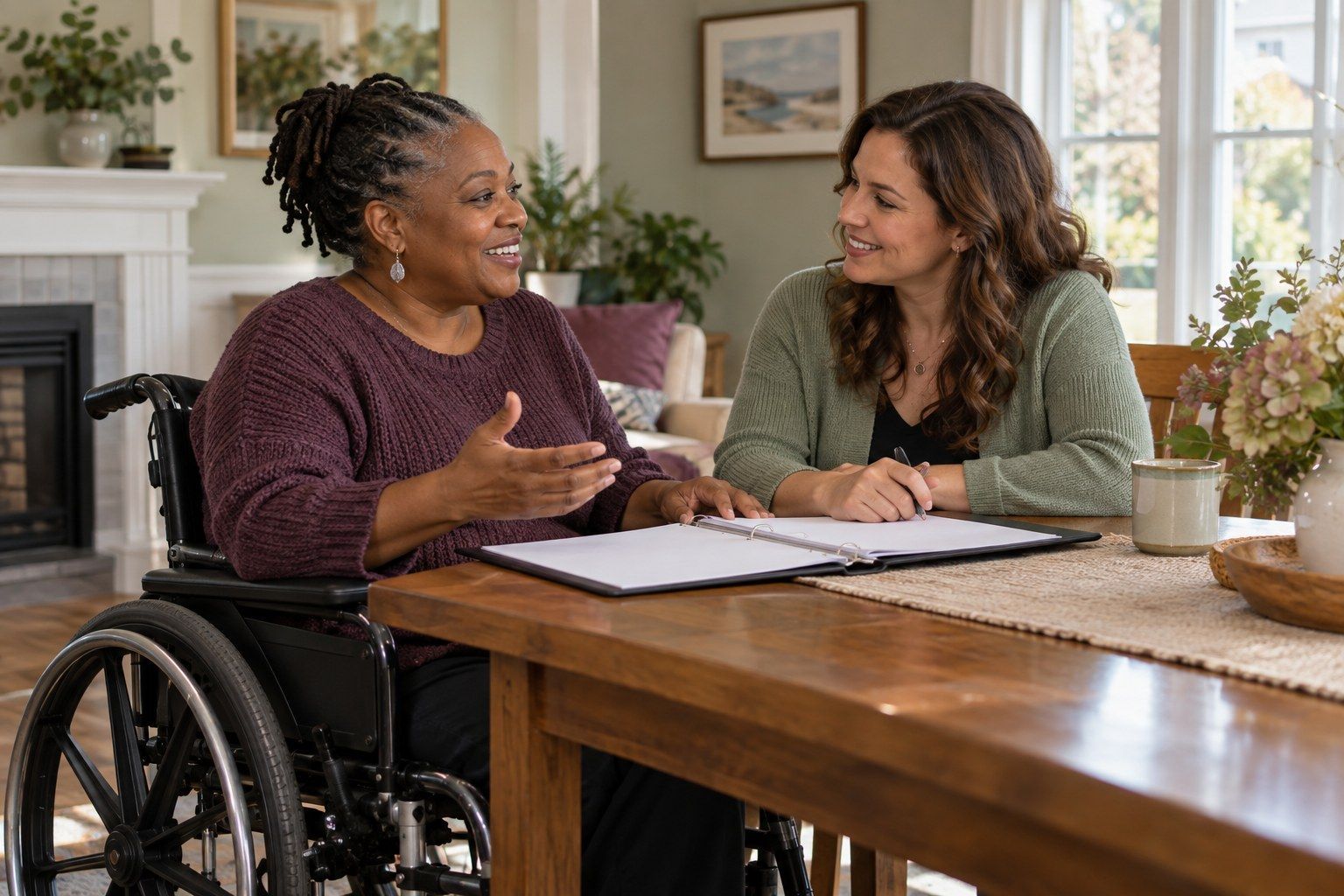
Care Remedy staff
By Care Remedy Inc April 10, 2026
When Is It Time to Get Help at Home for an Aging Parent?
A person sleeping peacefully in bed with a person in the background, titled
By Care Remedy Inc April 5, 2026
Caring for a loved one is one of the most meaningful roles a person can take on. It is also one of the most exhausting. Late-night check-ins, medication schedules, worry, and the emotional weight of responsibility can make it difficult to unwind, fall asleep, or stay asleep for the 7–8 hours your body needs each night. Improving your sleep doesn't require a complete life overhaul. Small, consistent changes can make a meaningful difference. Here are a few practical tips to strengthen your sleep hygiene — starting with your morning routine. During Your Day: Build Better Habits If you spend your nights tossing and turning, try building these habits into your daytime routine: Start your morning with at least 30 minutes of natural sunlight to improve alertness and support healthy dopamine levels throughout the day. Avoid nicotine and caffeine, which stimulate the nervous system and interfere with restful sleep. Check with your doctor to understand how any current medications may affect your sleep quality. Keep naps short and avoid napping within six hours of your bedtime. Exercise regularly, but finish physical activity at least two to three hours before bed so your mind and body can wind down. Winding Down for Bed: Create a Calming Routine Taking time to decompress before bed makes falling asleep — and staying asleep — easier: Avoid heavy meals and large amounts of liquids close to bedtime to reduce heartburn and nighttime bathroom trips. Limit alcohol; it disrupts deep, restorative sleep even when it initially helps you fall asleep. Dim the lights in the evening to signal to your body that it's time to rest. Choose relaxing activities such as reading, journaling, or listening to calming music. A warm bath or shower before bed can help relax tense muscles and ease the transition to sleep. Save emotionally difficult or stressful conversations for daytime whenever possible. Keep your bedroom cool, dark, and free of unnecessary electronics. If your caregiving schedule requires you to sleep during the day, try to maintain a consistent sleep schedule on your days off. Blackout curtains, a sleep mask, earplugs, or white noise can all help minimize disruptions. Safety and Security at Night Sleep is harder to come by when you're worried about your loved one's safety. This is especially true for families supporting seniors at risk of falls or individuals with dementia who may need overnight supervision. Place an audio or video monitor in your loved one's bedroom to alert you to falls, wandering, or distress. Provide your loved one with a medical alert button, pendant, or wristband so they can signal for help if needed. Implement fall-prevention measures throughout the home — particularly in hallways and bathrooms. Work with your loved one's care team to review evening routines and identify behavioral or safety patterns that may require additional support. Respite Care: Time to Rest Is Not Optional For caregivers supporting seniors or adults with disabilities, the demands of caregiving are constant. Respite care exists precisely for this reason — to give you structured, reliable time away to recharge. Care Remedy's respite services provide temporary relief for family caregivers across Massachusetts. Whether you need coverage for a few hours, an overnight, or an extended period, our trained direct support professionals and home health staff step in so you can step back — without guilt and without worry.  Respite care through Care Remedy may be available under DDS and MassAbility funding frameworks depending on your loved one's eligibility. Our team can help you understand your options and coordinate services that fit your family's needs. Benefits of scheduled respite care include: Improved sleep quality and duration when you know professional support is in place. Reduced caregiver burnout and anxiety, which directly affects your capacity to provide care. Maintained consistency and safety for your loved one, supported by trained staff familiar with their individual care plan. Flexibility to attend appointments, work, or simply rest — without compromising your loved one's care. Rest Easier with Support from Care Remedy Quality sleep is essential for both you and the person you care for. When you are well-rested, you are better equipped to provide compassionate support with patience, focus, and energy. Prioritizing your own rest is not selfish — it is one of the most responsible things you can do as a caregiver. Care Remedy offers professional, person-centered care to seniors and adults with disabilities throughout Massachusetts. Our services are designed to complement and support the work that families do every day. Whether you need evening support, overnight assistance, or structured respite care, Care Remedy is here to step in — so you can step back and recharge with confidence. Ready to Learn More? Contact Care Remedy to speak with our team about respite and support services available in your area. We'll help you find a plan that works for your family.