
Navigating Bathroom Assistance for Aging Parents: Risks,Tips and Solutions

Navigating Bathroom Assistance for Aging Parents: Risks,Tips and Solutions

As seniors age, they may face physical and cognitive challenges that affect their ability to manage daily tasks independently. Common difficulties include decreased mobility, muscle weakness, and balance issues, which can increase the risk of falls and injuries.


If your parent requires assistance with bathroom activities, it’s important to approach the situation with patience, empathy, and respect for their dignity.


Bathroom Fall Risks


Falls are a significant concern for adults aged 65 and older, being the leading cause of injury and death in this age group. The bathroom is particularly hazardous due to its slippery surfaces and potential obstacles like unsecured bath mats. Getting in and out of the shower can be especially risky, and seniors with incontinence may hurry to the bathroom, increasing their risk of tripping and falling.


If you notice that your parent is becoming unsteady or has experienced recent falls, it may be time to consider professional home care support.


Addressing Embarrassment


Bathroom needs are highly personal, and discussing the need for assistance can be uncomfortable for both you and your parent. Your parent may feel embarrassed about needing help, and it can be challenging for you to see them in such a vulnerable position.


Reassure your parent that needing help doesn’t diminish their dignity and explain the risks of falling. Emphasize that your goal is to ensure their safety and comfort.


Sometimes, having a professional caregiver, such as those from Care Remedy, can be a more comfortable solution than moving to an assisted living facility. A trained caregiver can provide necessary support and help your parent feel less isolated.


Providing Physical Assistance


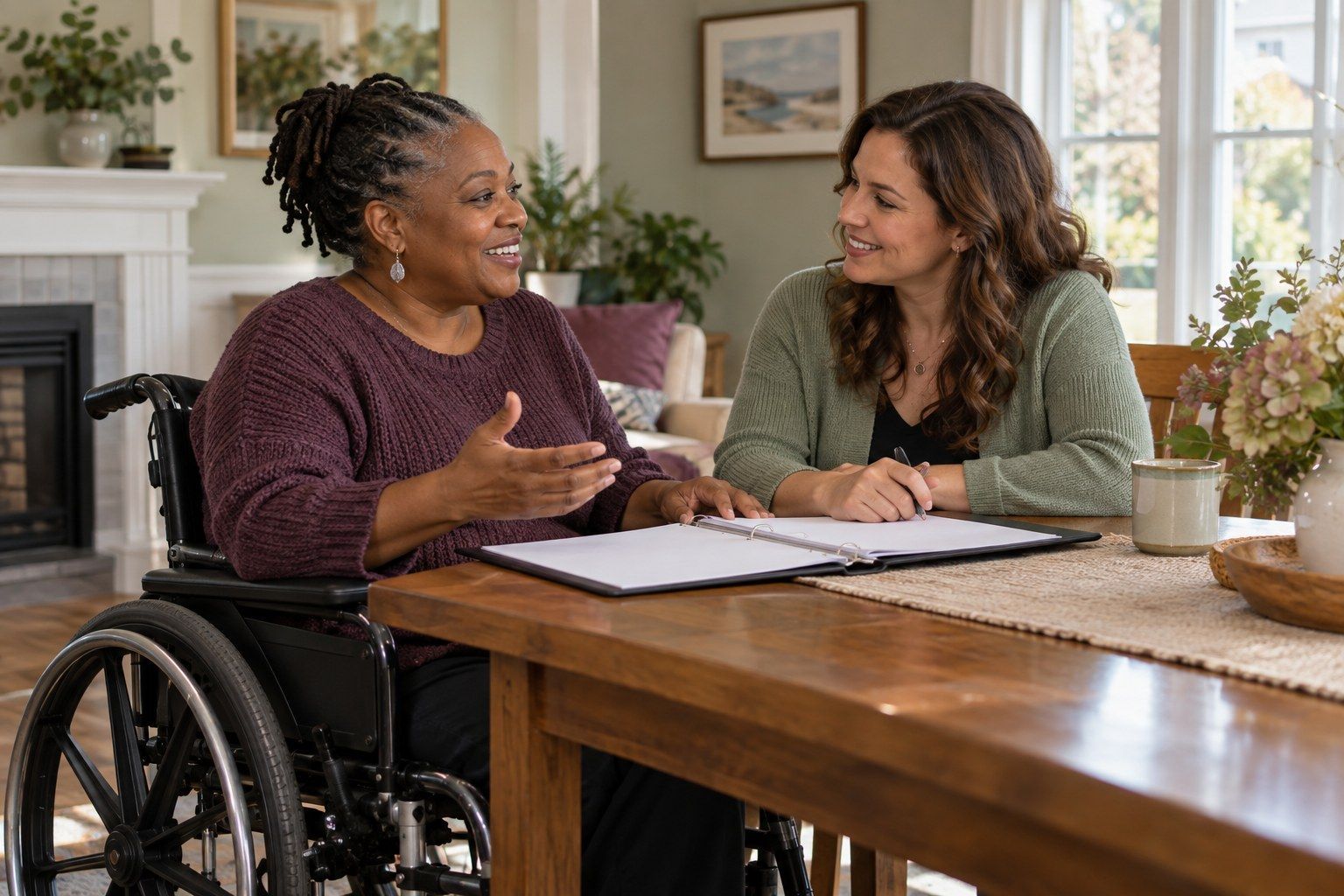
If it’s unsafe for your parent to use the bathroom alone, either you or a professional caregiver may need to assist them. Allow your parent to do as much as they can on their own to promote their independence.


Here are some tips for helping your parent in the bathroom:

  • Avoid rushing: Stay with your parent in the bathroom to ensure their safety. Help them with undressing slowly and encourage their participation.
  • Use wet wipes: Wet wipes can be more hygienic than toilet paper. Ensure that wipes are not flushed to prevent clogs.
  • Assist with clothing: Help your parent with their clothing to prevent tripping. Opt for clothes with drawstrings or snaps for ease.
  • Ensure privacy: Use a towel or cover to maintain privacy while they are undressing or using the toilet. Be cautious not to create tripping hazards.
  • Use humor: Lightening the mood with humor can help ease any tension or discomfort.


Adapting the Bathroom Environment

If bathroom use is challenging for your parent, consider making modifications to improve accessibility. Walk-in showers can be easier to use than traditional tubs.


If a full remodel isn’t feasible, simple updates can make a significant difference:

  • Install grab bars: These can assist your parent in getting on and off the toilet safely.
  • Add nonslip decals: Place these in the shower or tub to reduce slip risks.
  • Secure bathmats and shower curtains: Prevent tripping hazards by fixing these items.
  • Use night lights: Install lights in the bathroom and hallways to aid navigation.
  • Keep essentials within reach: Store toilet paper, wet wipes, and toiletries where they are easily accessible.

Professional Caregiver Support

Your parent may need bathroom assistance at various times throughout the day or night. A professional caregiver can provide ongoing support, allowing you some respite while ensuring your parent’s needs are met. Caregivers can assist with toileting, changing clothes, and bathing.


To explore how Care Remedy can help, contact us for a free consultation at (781) 957-8076

Share
Care Remedy staff
By Care Remedy Inc April 10, 2026
When Is It Time to Get Help at Home for an Aging Parent?
A person sleeping peacefully in bed with a person in the background, titled
By Care Remedy Inc April 5, 2026
Caring for a loved one is one of the most meaningful roles a person can take on. It is also one of the most exhausting. Late-night check-ins, medication schedules, worry, and the emotional weight of responsibility can make it difficult to unwind, fall asleep, or stay asleep for the 7–8 hours your body needs each night. Improving your sleep doesn't require a complete life overhaul. Small, consistent changes can make a meaningful difference. Here are a few practical tips to strengthen your sleep hygiene — starting with your morning routine. During Your Day: Build Better Habits If you spend your nights tossing and turning, try building these habits into your daytime routine: Start your morning with at least 30 minutes of natural sunlight to improve alertness and support healthy dopamine levels throughout the day. Avoid nicotine and caffeine, which stimulate the nervous system and interfere with restful sleep. Check with your doctor to understand how any current medications may affect your sleep quality. Keep naps short and avoid napping within six hours of your bedtime. Exercise regularly, but finish physical activity at least two to three hours before bed so your mind and body can wind down. Winding Down for Bed: Create a Calming Routine Taking time to decompress before bed makes falling asleep — and staying asleep — easier: Avoid heavy meals and large amounts of liquids close to bedtime to reduce heartburn and nighttime bathroom trips. Limit alcohol; it disrupts deep, restorative sleep even when it initially helps you fall asleep. Dim the lights in the evening to signal to your body that it's time to rest. Choose relaxing activities such as reading, journaling, or listening to calming music. A warm bath or shower before bed can help relax tense muscles and ease the transition to sleep. Save emotionally difficult or stressful conversations for daytime whenever possible. Keep your bedroom cool, dark, and free of unnecessary electronics. If your caregiving schedule requires you to sleep during the day, try to maintain a consistent sleep schedule on your days off. Blackout curtains, a sleep mask, earplugs, or white noise can all help minimize disruptions. Safety and Security at Night Sleep is harder to come by when you're worried about your loved one's safety. This is especially true for families supporting seniors at risk of falls or individuals with dementia who may need overnight supervision. Place an audio or video monitor in your loved one's bedroom to alert you to falls, wandering, or distress. Provide your loved one with a medical alert button, pendant, or wristband so they can signal for help if needed. Implement fall-prevention measures throughout the home — particularly in hallways and bathrooms. Work with your loved one's care team to review evening routines and identify behavioral or safety patterns that may require additional support. Respite Care: Time to Rest Is Not Optional For caregivers supporting seniors or adults with disabilities, the demands of caregiving are constant. Respite care exists precisely for this reason — to give you structured, reliable time away to recharge. Care Remedy's respite services provide temporary relief for family caregivers across Massachusetts. Whether you need coverage for a few hours, an overnight, or an extended period, our trained direct support professionals and home health staff step in so you can step back — without guilt and without worry.  Respite care through Care Remedy may be available under DDS and MassAbility funding frameworks depending on your loved one's eligibility. Our team can help you understand your options and coordinate services that fit your family's needs. Benefits of scheduled respite care include: Improved sleep quality and duration when you know professional support is in place. Reduced caregiver burnout and anxiety, which directly affects your capacity to provide care. Maintained consistency and safety for your loved one, supported by trained staff familiar with their individual care plan. Flexibility to attend appointments, work, or simply rest — without compromising your loved one's care. Rest Easier with Support from Care Remedy Quality sleep is essential for both you and the person you care for. When you are well-rested, you are better equipped to provide compassionate support with patience, focus, and energy. Prioritizing your own rest is not selfish — it is one of the most responsible things you can do as a caregiver. Care Remedy offers professional, person-centered care to seniors and adults with disabilities throughout Massachusetts. Our services are designed to complement and support the work that families do every day. Whether you need evening support, overnight assistance, or structured respite care, Care Remedy is here to step in — so you can step back and recharge with confidence. Ready to Learn More? Contact Care Remedy to speak with our team about respite and support services available in your area. We'll help you find a plan that works for your family.