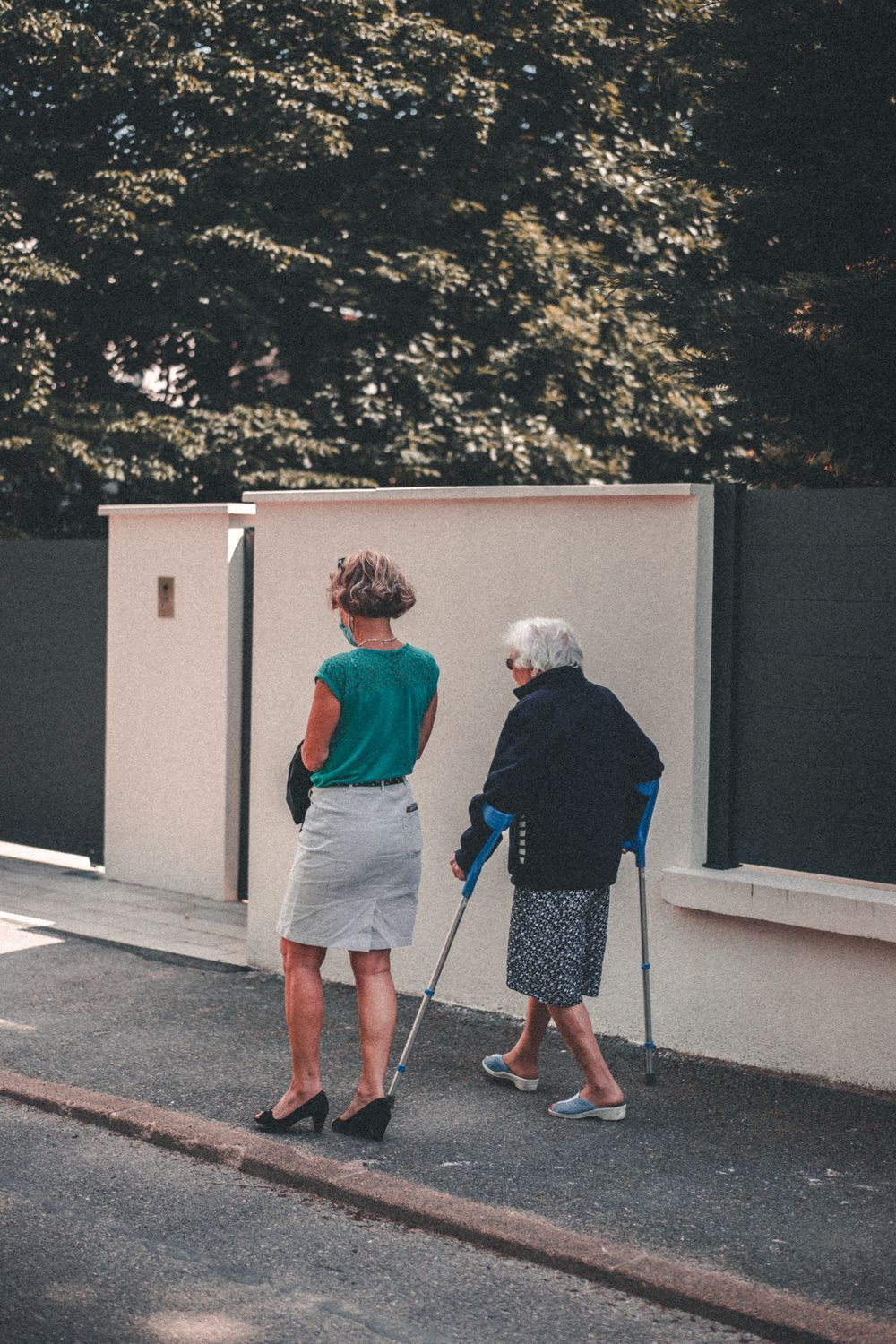
How to Get Someone With Dementia to Shower
He says he showered this morning. It has been nine days. You know it has been nine days. Telling him so starts an argument you cannot win, and he still does not shower.
This is one of the most common things families ask about, and most of the advice online is some version of be patient. That is not advice. Here is what actually changes the outcome, from aides who do this every week.
Why does someone with dementia refuse to shower?
Almost never stubbornness, which is the assumption that makes everything worse.
- Cold. As people age they lose the body fat and circulation that make a warm room feel warm. A bathroom that feels fine to you can feel genuinely cold to them, and undressing in it is unpleasant before the water even starts.
- Fear. Water hitting the face is frightening if you cannot anticipate it. A glossy wet floor reads as a fall risk. A glass door can look like a wall.
- Exposure. Being undressed in front of an adult child is humiliating for a person who spent sixty years being the parent.
- Loss of the thread. Showering is not one task, it is about twenty steps in order. Dementia takes the order away. What looks like refusal is often not knowing how to begin.
- Memory. He is not lying about this morning. He genuinely believes it.
Should I correct them when they say they already washed?
No. You will not win it, and the argument becomes the thing they remember, long after the topic is forgotten. What is left is that you were cross with them, and the next attempt is harder.
Drop the question of when entirely. Do not negotiate about facts. Move to the routine instead.
What actually works?
Warm the room first. Run the shower a few minutes before, close the door, let the steam build. Warm the towels. This one change resolves more refusals than anything else on this list.
Stop asking whether. Do you want a shower invites the answer no. The Alzheimer's Association suggests offering a choice between two acceptable options instead: now or in fifteen minutes, bath or shower. The choice is real, and neither answer is no.
Match their own lifetime habit. Somebody who washed every evening for fifty years will resist a ten in the morning shower and not be able to tell you why. Ask a sibling what time they always did it.
Cover them. A towel over the shoulders while undressing, kept on as long as possible. The Alzheimer's Association makes this point specifically, to reduce the feeling of being exposed. It is warmth and dignity at the same time.
One instruction at a time. Not "go and have a shower" but the steps in order, spoken as they happen. Sit here. Here is the soap. Wash your arm. You are supplying the sequence their memory is not.
Hand held shower head, never overhead. Start at the feet and work up. Keep water off the face entirely until the end, and tell them before you move it.
Same person, same order, every time. Familiarity does a lot of the work. Changing who helps, or the order of steps, restarts the resistance.
How often does someone actually need a full shower?
Less often than most families assume, and this is where a lot of unnecessary conflict comes from.
The Alzheimer's Association does not set a number. What it suggests instead is breaking the job up: washing one part of the body each day, and shampooing on a separate day from the rest. A full shower is not the only way to keep someone clean and comfortable.
So if the fight is happening daily, the first thing to change may be the frequency rather than the technique. A sponge bath at the sink, a no rinse cleanser, hair washed separately over a basin. These are legitimate, not a compromise.
What about safety?
Check the water temperature yourself every time, even if they ran it. The Alzheimer's Association also suggests turning the water heater thermostat down, so a scald is not possible in the first place.
- Grab bars, properly fixed into studs, not suction cups.
- A non slip mat inside and a towel or mat outside.
- A shower chair if standing is unsteady. Most resistance that looks emotional is actually someone who does not feel safe on their feet.
- Never leave the room once they are undressed and wet.
- Look at the skin while you are there. Rashes and pressure areas get missed for weeks when nobody is bathing the person, and that is one of the real costs of the fight.
When is it worth bringing in an aide?
Two situations, in our experience.
When the relationship is the obstacle. A father who will not undress in front of his daughter will often accept the same help from a trained aide without a word of protest. It is not about competence, it is about who he is in the room. Families sometimes read this as failure. It is not. It is the most common thing we see.
When it has become a weekly fight. If bathing is now the worst twenty minutes of the week for both of you, the cost is not just hygiene. It is the relationship. Handing that one task to someone else can give you back being a daughter rather than a carer.
Our rates are published: $45 an hour for one to eight hours a day. Personal care is usually a short visit rather than a long shift, and here is what that works out to at real schedules.
Where to start in Massachusetts
Before you pay anyone, call MassOptions on 1-800-243-4636 . They route you to your regional Aging Services Access Point, who will do a free in home assessment and tell you what you qualify for. Some families find the whole thing is covered.
If you are weighing what care at home actually costs against the alternatives, we set the arithmetic out in can I afford Alzheimer's care at home in Massachusetts. And if you are about to hire, these are the questions worth asking first.
Care Remedy Inc, 100 TradeCenter Suite G-700, Woburn, MA 01801. Call 781-957-8076. Our aides provide personal care including bathing and grooming across Greater Boston, Brockton and the Pioneer Valley.
Sources: Alzheimer's Association, Bathing. This article is general caregiving guidance, not medical advice. A sudden change in someone's willingness to wash, or new fear of water, is worth mentioning to their doctor, because pain, infection and medication changes can all present this way.
Share