Home Care After a Knee or Hip Replacement in Massachusetts
Need help in Massachusetts? Care Remedy provides home health aides at $45 an hour, stair assistance at $200 a visit and wheelchair transportation from $115 each way. Call 781-957-8076 .
Most joint replacements now go straight home, same day or the next morning, rather than to a rehab facility. The help you need is front loaded: two or three weeks of mornings, not an open ended schedule. Four hours a day for two weeks is $2,520 at $45 an hour, with no minimum contract, and most people need noticeably less by week three.
Arrange it before the surgery date. This is one of the few situations in home care where you know the date in advance, and almost nobody uses that.
What should we set up before the operation?
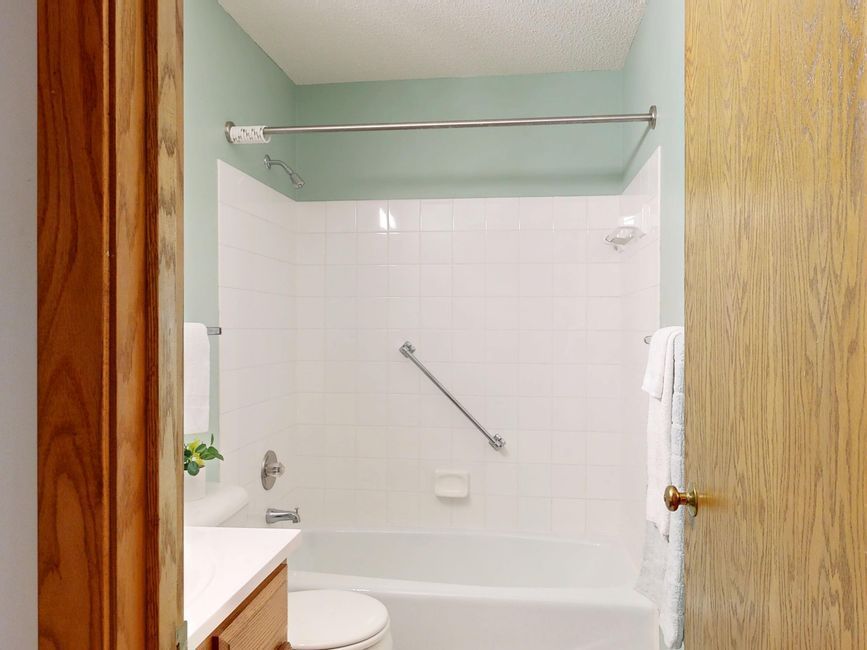
- The bathroom, which is where the whole recovery is won or lost. A raised toilet seat, a shower chair and grab bars, installed before the surgery rather than ordered the week after.
- A bed on the ground floor if the bedroom is upstairs, even temporarily.
- Clear floor paths. Throw rugs and cords are the two things that put people back in the hospital.
- Food in the house that does not require standing at a counter.
- The ride home and the first week of help, booked. Surgical schedules move, so give us an estimate and we will adjust.
Which precautions apply to us?
Ask the surgeon, and write the answer down, because this genuinely differs from patient to patient. Hip replacement precautions depend on the surgical approach, and what one surgeon forbids another may allow. A knee has different restrictions again.
Tell us what you were told. An aide who knows the specific restriction can set up dressing, bathing and transfers around it. An aide guessing from general knowledge is worse than useless.
What does an aide actually do in the first two weeks?
- Getting in and out of bed and the chair, which is the task that takes the longest and hurts the most in week one.
- Bathing and dressing, working around whatever the precaution is. Socks and shoes are genuinely impossible for a while after a hip.
- The home exercise program. The physical therapist comes two or three times a week. The exercises are daily. The gap between those two facts is the single biggest thing an aide fixes, and it shows up in how the knee bends three months later.
- Ice, elevation and the cooling unit, on a schedule rather than when somebody remembers.
- Meals, laundry and the house, so the energy goes into walking.
Can the aide handle the blood thinner?
No. Our aides are trained, background checked and insured but they are not nurses and cannot administer medication. They can be present while a client takes their own, help if something goes wrong, and call for help.
What an aide can do is notice. New calf pain or swelling, a hot or red area, a wound that looks worse than yesterday, a sudden fever: those get reported to you and to the surgical team the same day. Somebody in the house every morning who knows what yesterday looked like is how problems get caught early. If the plan needs injections or wound care done, that is nursing and a separate service.
What about the stairs and getting to physical therapy?
Two separate problems and both arrive on day one. If there are front steps or an upstairs bedroom and the person cannot manage them yet, two trained staff with an electric stair chair is $200 a visit, and it can run at the same appointment as the ride home. We go through the detail on getting someone up and down stairs after knee or hip surgery.
Then there is the driving ban. You will not be driving for weeks, and outpatient physical therapy is two or three visits a week for a month or more. Ask your town's Council on Aging first, because many run free or low cost medical rides and this is exactly the trip they exist for.
How many hours, and for how long?
A common shape that works: four hours each morning for the first week, three hours for the second, then two or three days a week for the third while you see how it goes. That is roughly $2,520 then $1,890, then whatever you still need.
Book it as a shrinking schedule rather than a fixed one. With no minimum contract you can cut it the day it stops being necessary, and after a joint replacement that day usually comes sooner than families expect. An agency that requires twelve hours a week will keep billing you into week six.
What if somebody lives alone?
Then the first night matters more than the first week. Surgeons increasingly send people home the same day, and the first trip to the bathroom at 2 in the morning on a new joint, in the dark, alone, is where the fall happens. One overnight is $540 for a 12 hour night, and for somebody living alone it is usually the best single purchase of the whole recovery.
Some surgical practices will also ask who is going to be at home before they will approve a same day discharge. If you do not have an answer, the surgery can be postponed.
Will anything else pay for it?
Medicare may send a physical therapist to the house for a limited period if you are homebound and the doctor orders it. That is skilled care and it is visits, not coverage. The aide hours are custodial care and Medicare has never paid for those. A long term care policy might reimburse, though most pay you back rather than paying us and most have an elimination period longer than this recovery, which we explain on making a long term care policy actually pay.
Care Remedy serves eastern and central Massachusetts from offices in Woburn, Brockton and Springfield. Call 781-957-8076 with the surgery date, which joint, and whether there are steps at the house.
This is general information about care at home and not medical advice. Precautions, activity limits, wound care and medication come from your surgeon and therapy team.
Share