Can You Have PCA Hours and Adult Foster Care in Massachusetts?
Need help in Massachusetts? Care Remedy provides home health aides at $45 an hour, stair assistance at $200 a visit and wheelchair transportation from $115 each way. Call 781-957-8076 .

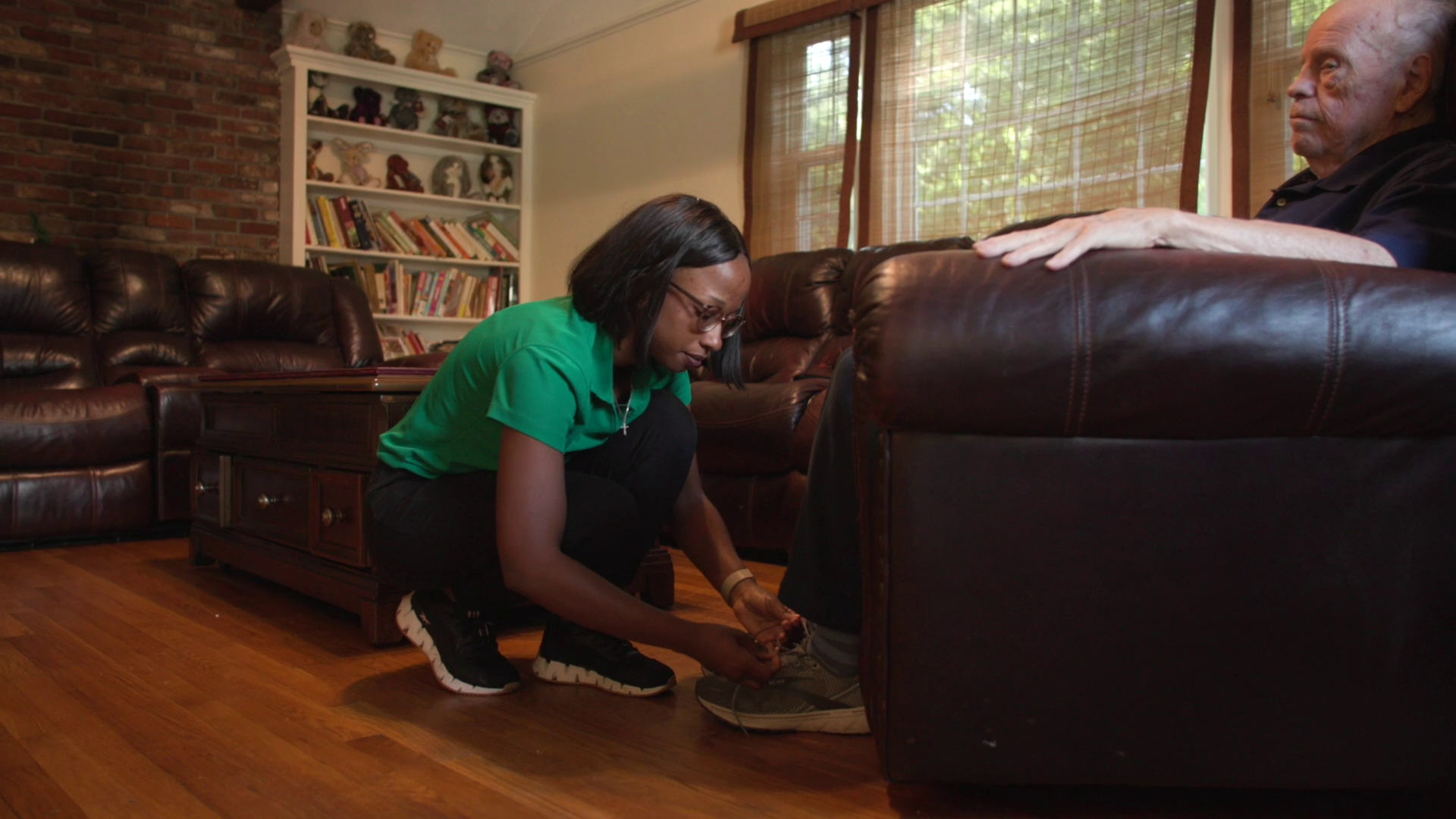
PCA hours pay for hands on help with daily activities at home.
Not for the same time. MassHealth's PCA regulations list PCA services as a noncovered service during the time a member is taking part in a MassHealth funded community program, and they name adult foster care, group adult foster care, day habilitation and adult day health by name. So the two do not stack, and your PCM agency has to settle which one you are using before a prior authorization goes in.
What does the regulation actually say?
The noncovered services list at 130 CMR 422.412(F) reads: "PCA services provided to a member during the time a member is participating in a community program funded by MassHealth including, but not limited to, day habilitation, adult day health, adult foster care, or group adult foster care."
The next relevant one, 422.412(E), rules out PCA services while a member lives in a nursing facility or other inpatient facility, or in a provider operated residential facility subject to state licensure such as a group home. You can read the full regulation on mass.gov at 130 CMR 422.000.
Read the words "during the time" carefully. Exactly how that applies to a person who attends a day program and still needs help getting up in the morning is an individual determination, not something a web page can decide. Raise it with your PCM agency and get the answer in writing before you count on the hours.
Why does MassHealth not allow both?
Because both are paying for the same help. Adult foster care and group adult foster care pay a provider and a qualified caregiver to deliver personal care. The PCA program pays the member to employ their own attendant to deliver personal care. Funding both for the same hours would pay twice for one person's bathing, dressing and transfers.
Which one should I choose?
It comes down to who you want doing the care, and whether you want to be the employer.
The PCA program puts you in charge. You recruit, interview, hire, schedule and fire your own attendants, and a fiscal intermediary runs the payroll and the tax withholding. More control, more paperwork, and the hiring problem is yours. There is a ceiling: 422.412(K) makes PCA services beyond 60 hours a week in the aggregate noncovered.
Adult foster care and group adult foster care put a provider agency in charge of managing the care, and a qualified caregiver is paid a daily rate rather than an hourly wage. Less administration for the family, less day to day control. Which relatives may be the paid caregiver is governed by the AFC rules, which are not the same as the PCA rules, so ask an AFC provider directly rather than assuming the answer carries over.
Who cannot be paid as my PCA?
Under 422.404 and the definitions at 422.402, your PCA cannot be a family member, which the regulation defines as your spouse, the parent of a minor member including an adoptive parent, or any legally responsible relative. Your PCA also cannot be your surrogate or administrative proxy, or your foster parent. Other relatives are not automatically excluded by that definition, and this is the single most common misunderstanding families bring to us.
What about day habilitation or adult day health?
Same subsection, same answer: PCA hours do not cover the time spent at the program. Whether hours can be authorized for the morning routine before the van comes, or the evening after it drops off, is decided at the evaluation based on what help you actually need. Ask the PCM agency to put the day program schedule in front of the evaluator rather than discovering the conflict after the authorization comes back.
What else does the PCA program not pay for?
The rest of the noncovered list at 422.412 catches a lot of families by surprise:
- Cueing, prompting, supervision, guiding or coaching. PCA hours pay for physical assistance, not for reminding or watching
- Time when the PCA is not assisting with an ADL or an IADL
- Babysitting, respite care, vocational rehabilitation, sheltered workshop, educational and recreational services, advocacy and liaison work
- Services already available from another MassHealth provider, such as a physician, a pharmacy or a community health center
- Services provided by family members as the regulation defines them, and by surrogates and administrative proxies
- Services delivered without electronic visit verification where MassHealth requires it
- Required parental responsibilities for a child under 18, judged against the child's developmental milestones
- Anything above 60 hours a week in the aggregate
What counts as an ADL and an IADL?
Under 422.410(A), the activities of daily living are mobility, assistance with medications or other health related needs, bathing or grooming, dressing, passive range of motion exercises, eating and toileting. Under 422.410(B), the instrumental activities of daily living are household services, meal preparation and clean up, transportation and special needs. Hours are built from those categories and the time each task takes, which is why the evaluation matters so much.
What if I am already in one program and want to switch?
Do not stop one before the other is approved. The gap is where people lose coverage. Call a PCM agency first, start the evaluation, and only disenroll when you have an authorization in hand. Two related pages worth reading: what happens to PCA hours when you go into the hospital, and what a fiscal intermediary is in the PCA program. If you are asking because the help you need falls at night, see whether a PCA can be paid for overnight hours.
Talk to our PCM team
Care Remedy is a MassHealth Personal Care Management agency with offices in Woburn, Springfield and Brockton. For PCA and PCM questions or referrals, email pcm@careremedy.com or call 781 957 8076.
This page summarizes the regulations as published at 130 CMR 422.000. Eligibility and hours are decided case by case and the rules change. Confirm your own situation with MassHealth or your PCM agency, and speak to an attorney about anything legal.
Share